
Services

Explore
Our Services
Parnassus LLC performs a wide array of classical reliability, maintainability and systems safety (RMS) analysis methodologies to demonstrate product compliance to airworthiness requirements and presents the results of these studies in detailed and comprehensive engineering reports for a large number of top-tier civil and military aerospace and defense OEMs. Although the vast majority of our business is from returning customers, we always welcome well-qualified, first-time clients interested in procuring best in class Independent Technical Assessments of their internally generated findings, or in commissioning original RMS analysis and reporting services.
System Safety Engineering

Civil Aviation - ARP4761A and ARP4754B style
Supporting the development and certification of commercial aircraft. Parnassus helps aircraft and aircraft component manufacturers identify, assess, and mitigate technical risks while meeting demanding safety, reliability, and certification requirements.
Aircraft & System Functional Hazard Assessment (AFHA/SFHA)
Preliminary System Safety Assessment (PSSA)
System Safety Assessment (SSA)
Maintenance Steering Group (MSG-3)
Master Minimum Equipment List (MMEL)
Time Limited Dispatch (TLD) – ARP5107C
In-Service Safety Assessment – ARP5150A
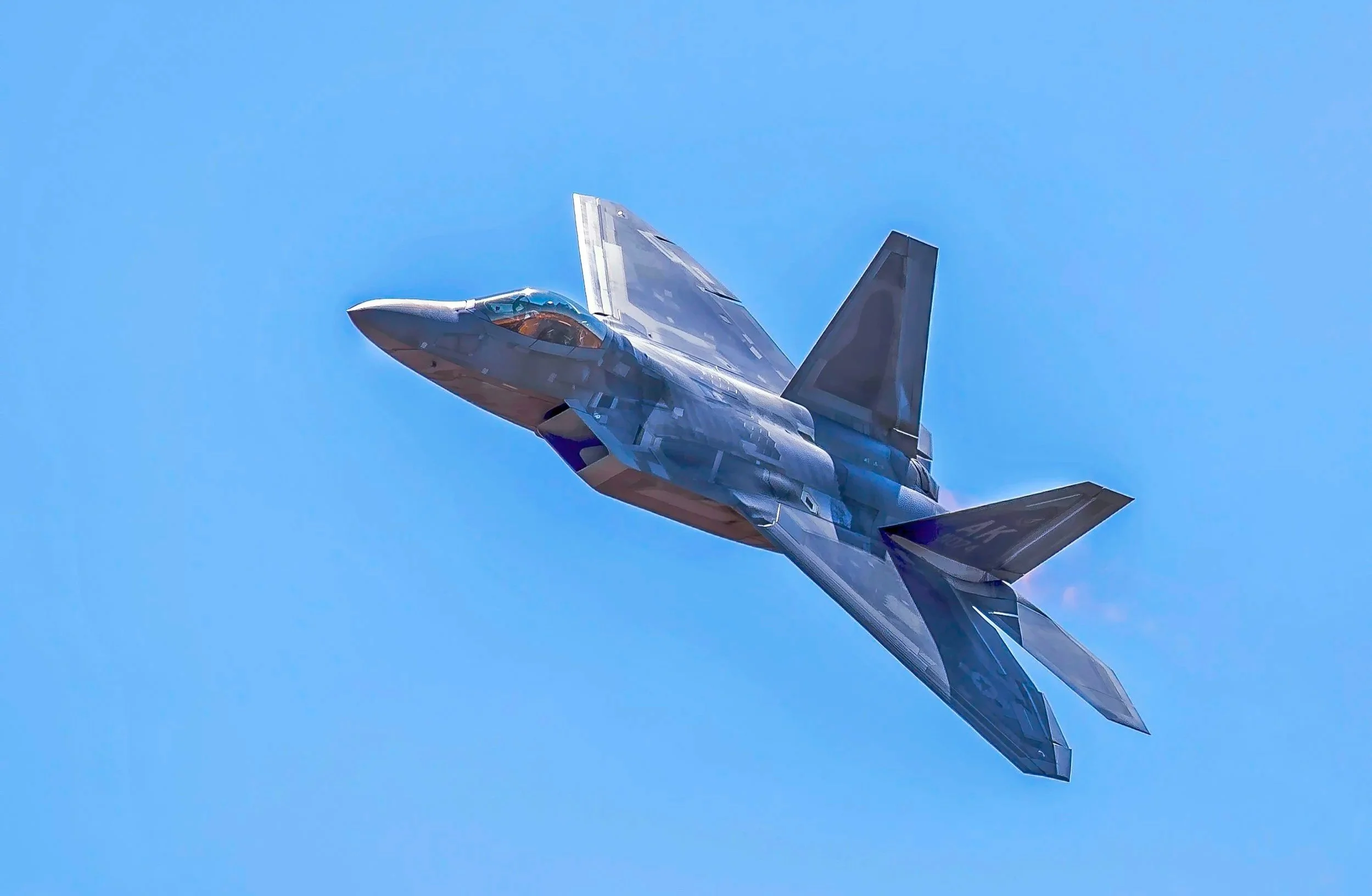
Military Safety Programs – MIL-STD-882E style
Providing system safety, reliability, and mission assurance support for military aircraft, mission systems, and defense technologies. Our experience spans development programs where performance, survivability, and mission readiness are critical to operational success.
Systems Safety Program Plan (SSPP)
Preliminary Hazard Analysis / List (PHA / PHL)
Subsystem Hazard Analysis (SSHA)
System Hazard Analysis (SHA)
Operating and Support Hazard Analysis (O&SHA)
Health Hazard Analysis (HHA)
Functional Hazard Analysis (FHA)
Environmental Hazard Analysis
Hazard Tracking & Closure
Hazard Tracking System (HTS) Database
Subject Matter Expert (SME)
Representative Experience
Parnassus has supported a diverse range of aerospace development programs spanning commercial aviation, military aircraft, rotorcraft, advanced aerospace concepts, and space-related systems. Our experience includes system safety, reliability, maintainability, FMECA, fault tree analysis, certification support, and related engineering disciplines across numerous aircraft platforms, avionics systems, mission systems, and electronic products.
The accompanying Experience Matrix provides a representative overview of programs supported, engineering analyses performed, and technical disciplines applied throughout our project history. While not intended to be an exhaustive list, it illustrates the breadth of practical experience that Parnassus brings to each customer engagement.

Reliability Engineering
Reliability engineering is fundamental to successful aerospace product development. Parnassus applies proven analytical methods to predict system performance, identify reliability risks, and support design decisions that improve mission success while reducing life-cycle cost.
Reliability & Maintainability Program Plans (RMPP)
Reliability Predictions – MIL-HDBK-217F, Notice 2, Non-electronic Parts Reliability Database (NPRD), NAVSEA NSWC Carderock Handbook of Reliability Prediction Procedures for Mechanical Equipment
Reliability Modeling
Reliability Allocation
Reliability Growth Assessment, Growth Curves, Test Plans & Procedures
Reliability Development Test Plans & Procedures

Certification Support
Successfully certifying an aerospace product requires disciplined engineering, comprehensive documentation, and close alignment with applicable regulations and industry standards. Parnassus provides independent technical support throughout the certification process, helping customers develop the analyses and evidence necessary to demonstrate compliance and reduce program risk.
Certification Analysis Support
MIL-STD-516C Compliance Documentation
Mishap Risk Assessment (MRA)
Tailored Airworthiness Compliance (TACC) against MIL-HDBK-516C criteria.
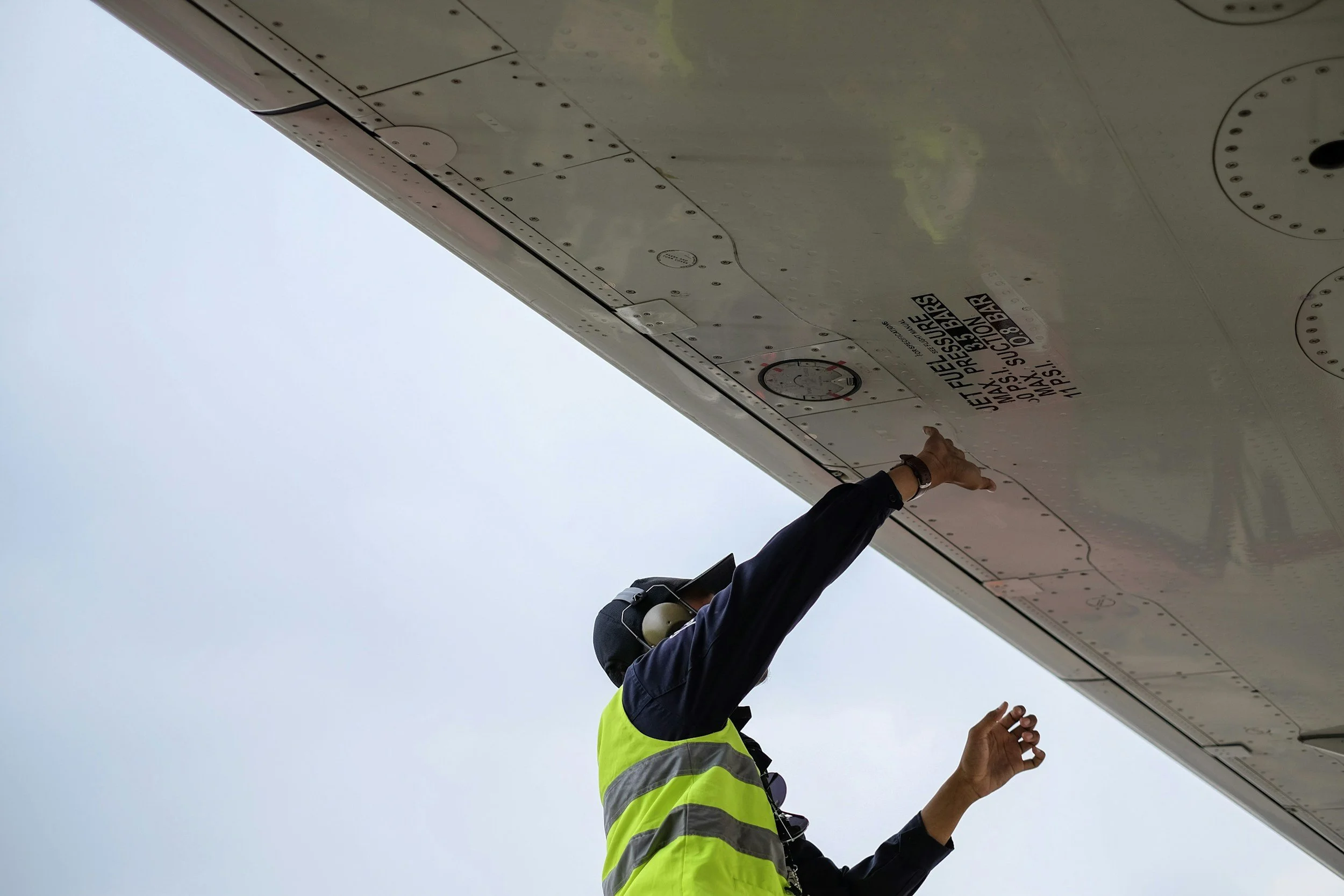
Maintainability Engineering
Maintainability engineering ensures that complex aerospace systems can be efficiently inspected, serviced, repaired, and returned to operation throughout their operational life. Our analyses help reduce downtime, improve operational readiness, and support cost-effective sustainment.
Maintainability Analysis Reports
Maintenance Concepts
Maintainability Design Baseline (MDBL)
Maintainability Predictions, e.g. MTTR, MMAX, etc.
Maintenance Task Analysis
Logistics & Supportability Assessment
Preventative & Corrective Maintenance Evaluations
Representative Standards: MIL-HDBK-472, DI-MNTY-81602, Customer Requirements

Independent Technical Analysis
Independent technical analyses provide objective engineering insight that supports informed design decisions and effective risk management. Parnassus delivers technically rigorous assessments founded on recognized aerospace standards, practical development experience, and an unwavering commitment to engineering integrity.
Independent Engineering Review
Deliverable Review
Safety Assessment Review
Reliability Assessment Review
Design Evaluation
Technical Risk Identification
Independent assessments can provide additional confidence in engineering products, methodologies, and program decisions.
FMEA / FMECA
A systematic, bottom-up method of identifying the credible failure modes and their local, next higher and system level effects, corresponding severity levels and detection methods. FMEA/FMECA may be performed qualitatively or quantitatively. Software may also be analyzed qualitatively using a functional FMEA approach.

For quantitative FMEA, where the failure rate of each failure mode (FMFR) is calculated based on component failure rates, failure mode ratios and component quantities, failure mode & effects summary (FMES) is often derived from the baseline FMEA. An FMES is a grouping of single failure modes which produce the same failure effect. In FMES analysis, the grouped failure effects are called “failure modes” and the sum of the single FMFRs can be used to populate the failure rates of the basic events contributing to related FTA events.
Representative Services
Functional FMEA / Functional FMECA
Piece-Part FMEA / Piece Part FMECA
Criticality Analysis
Built-in Test (BIT) Detection and Isolation Performance
Representative Standards
MIL-HDBK-1629A Notice 2
SAE ARP5580
SAE ARP4761A
SAE J1739 (DFMEA & PFMEA processes)
DI-SESS-81495B/C
“Alana is a hard-working, outstanding Engineer. Her work is always thoughtfully prepared and of high quality. Alana keeps her technical skills sharp, and is also very organized, highly motivated and easy to work with.”
– Paul Wulff (Former Customer)